Original: $99.99
-70%$99.99
$30.00The Story
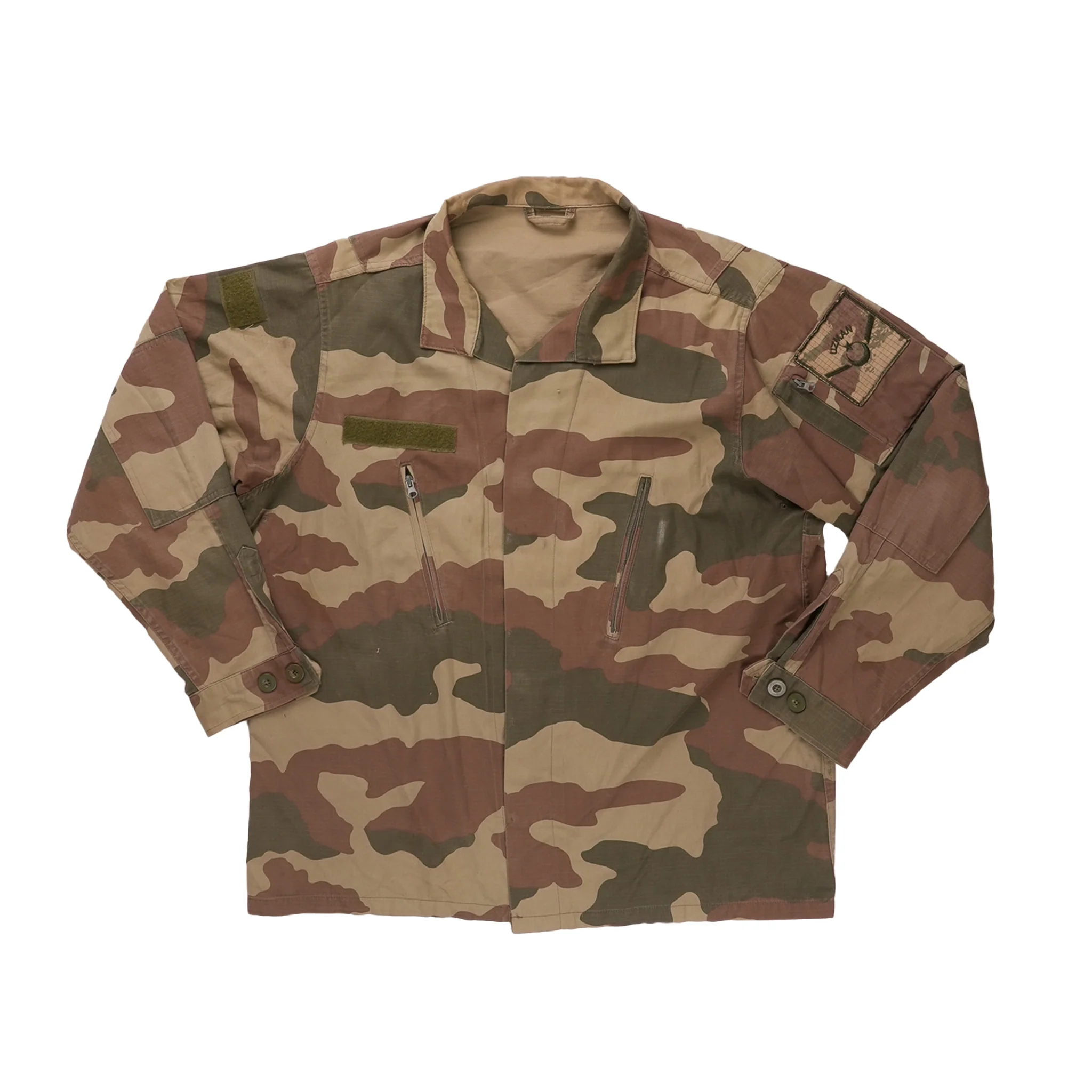
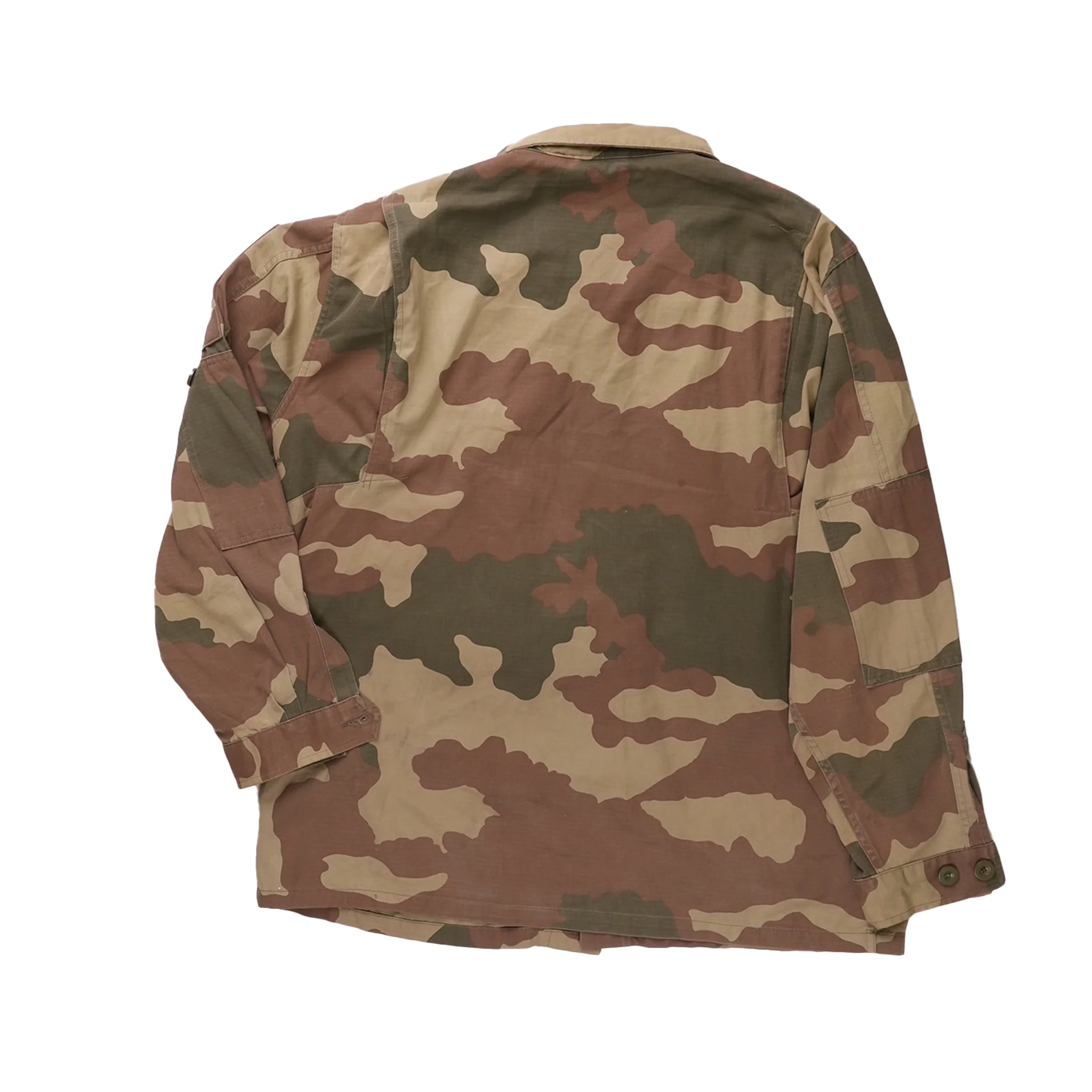
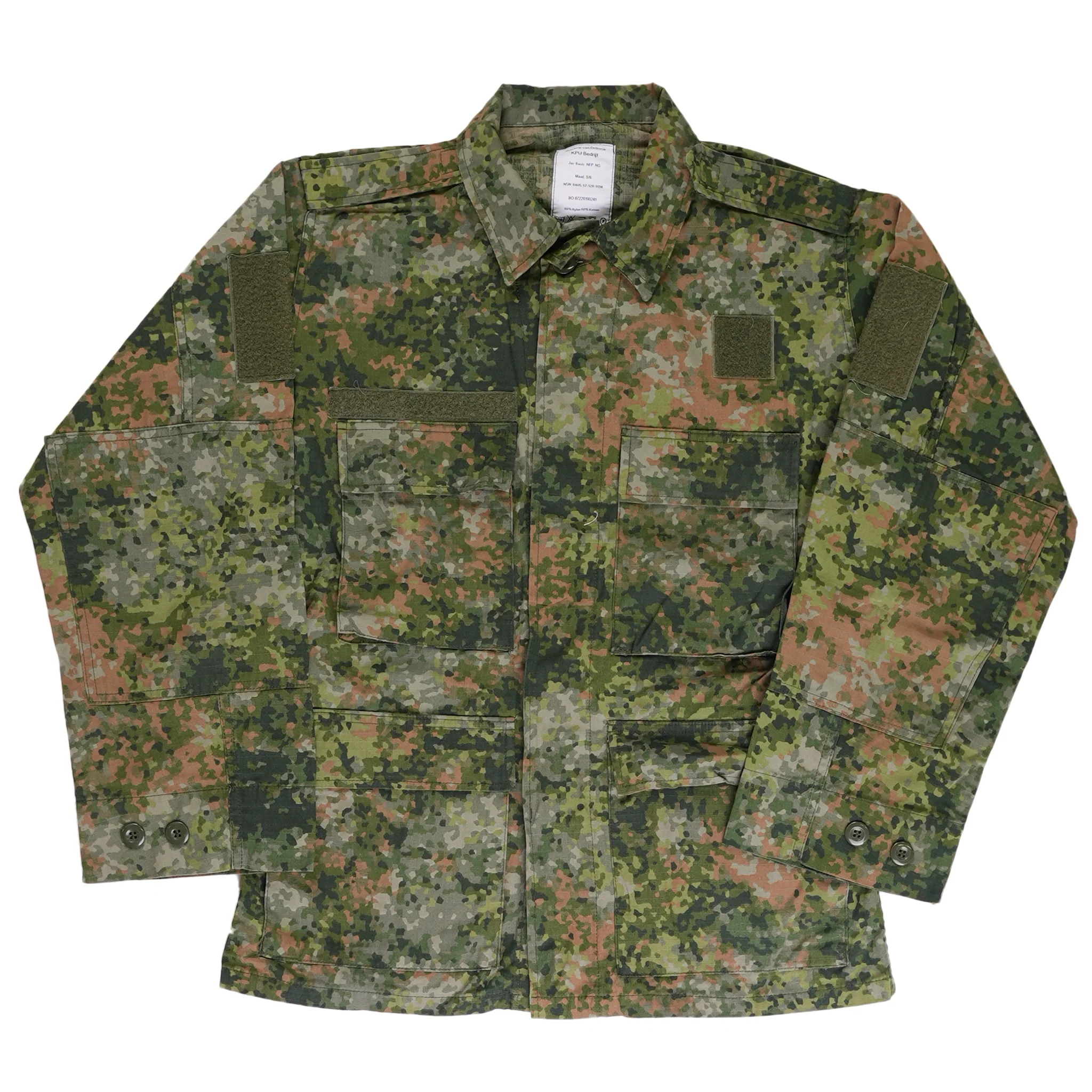
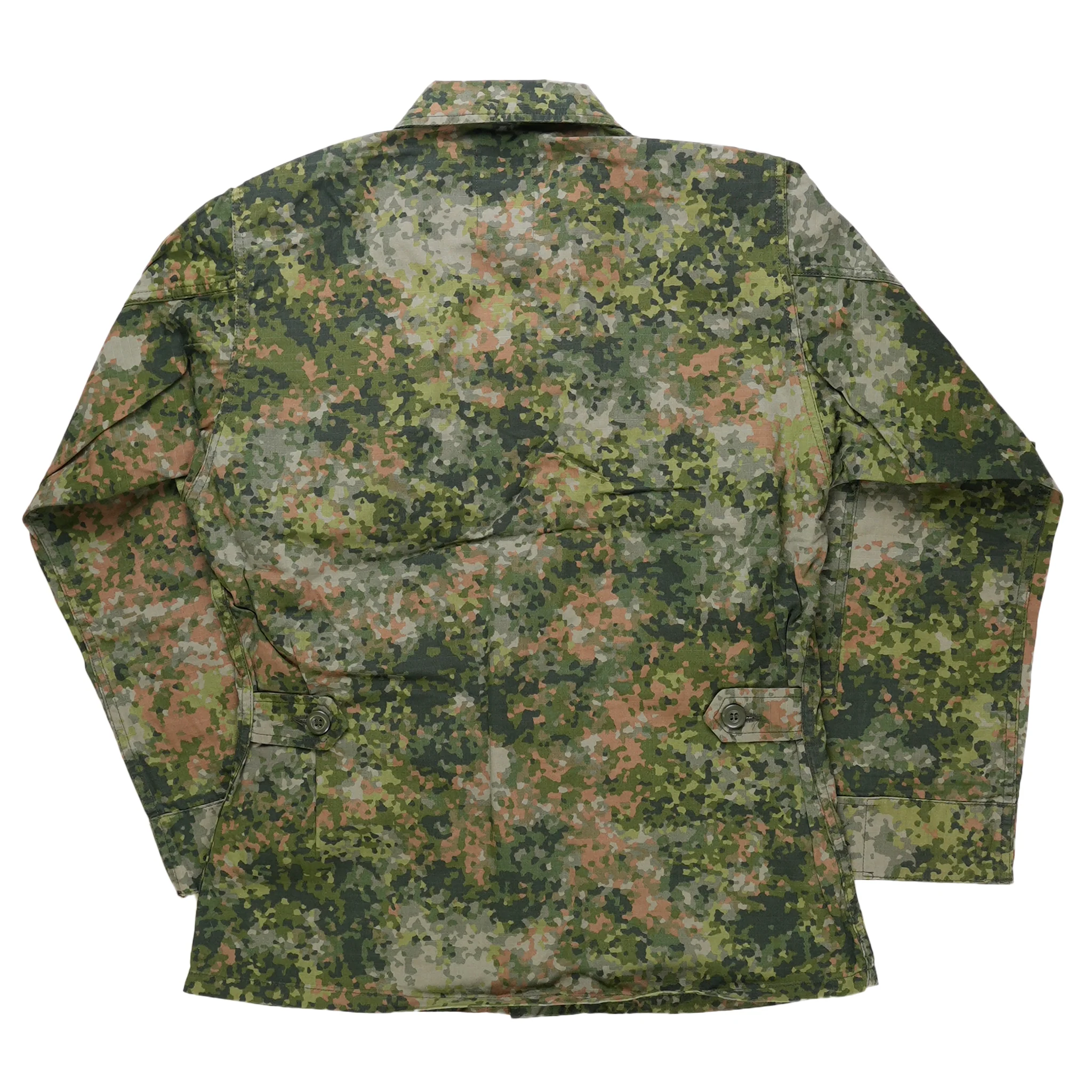
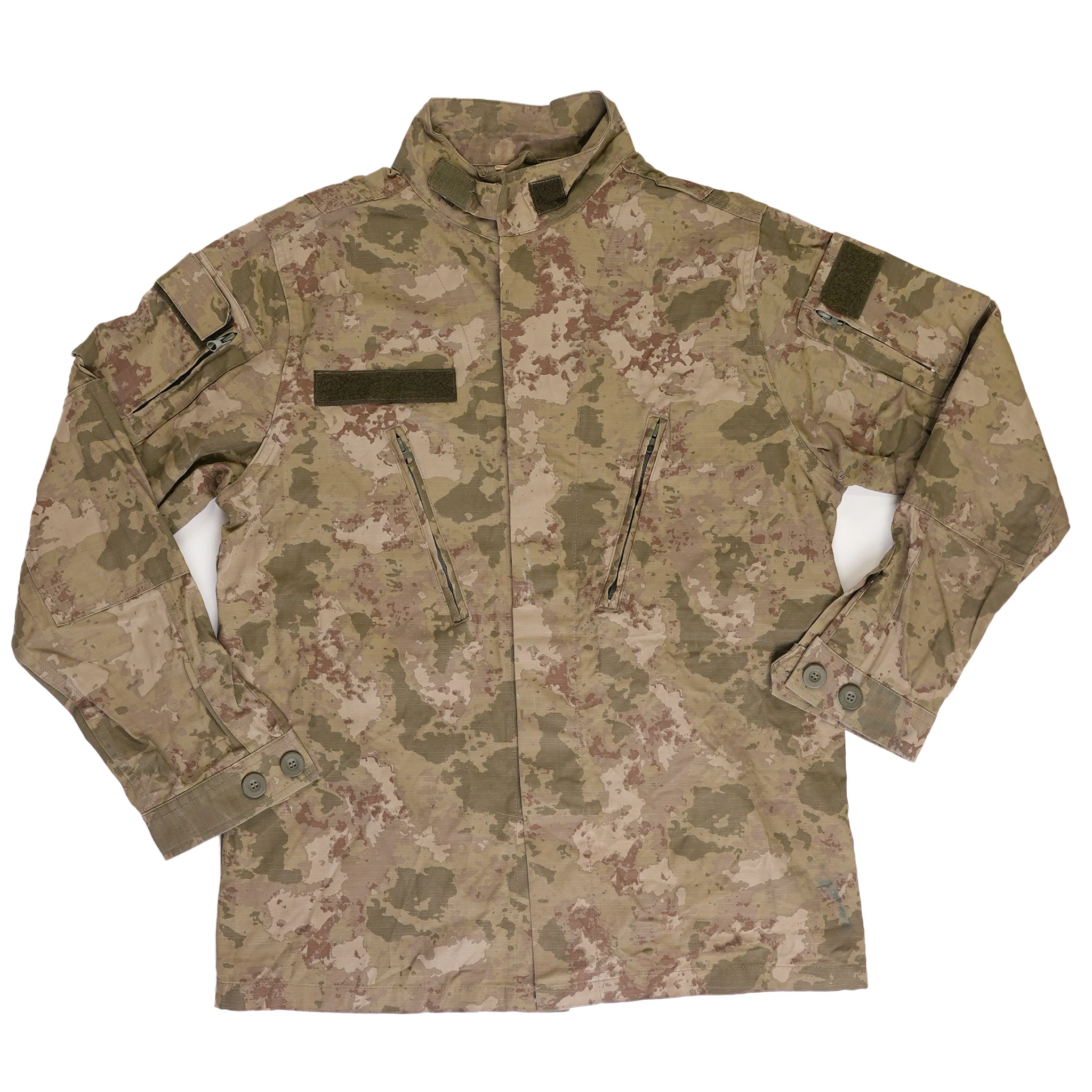
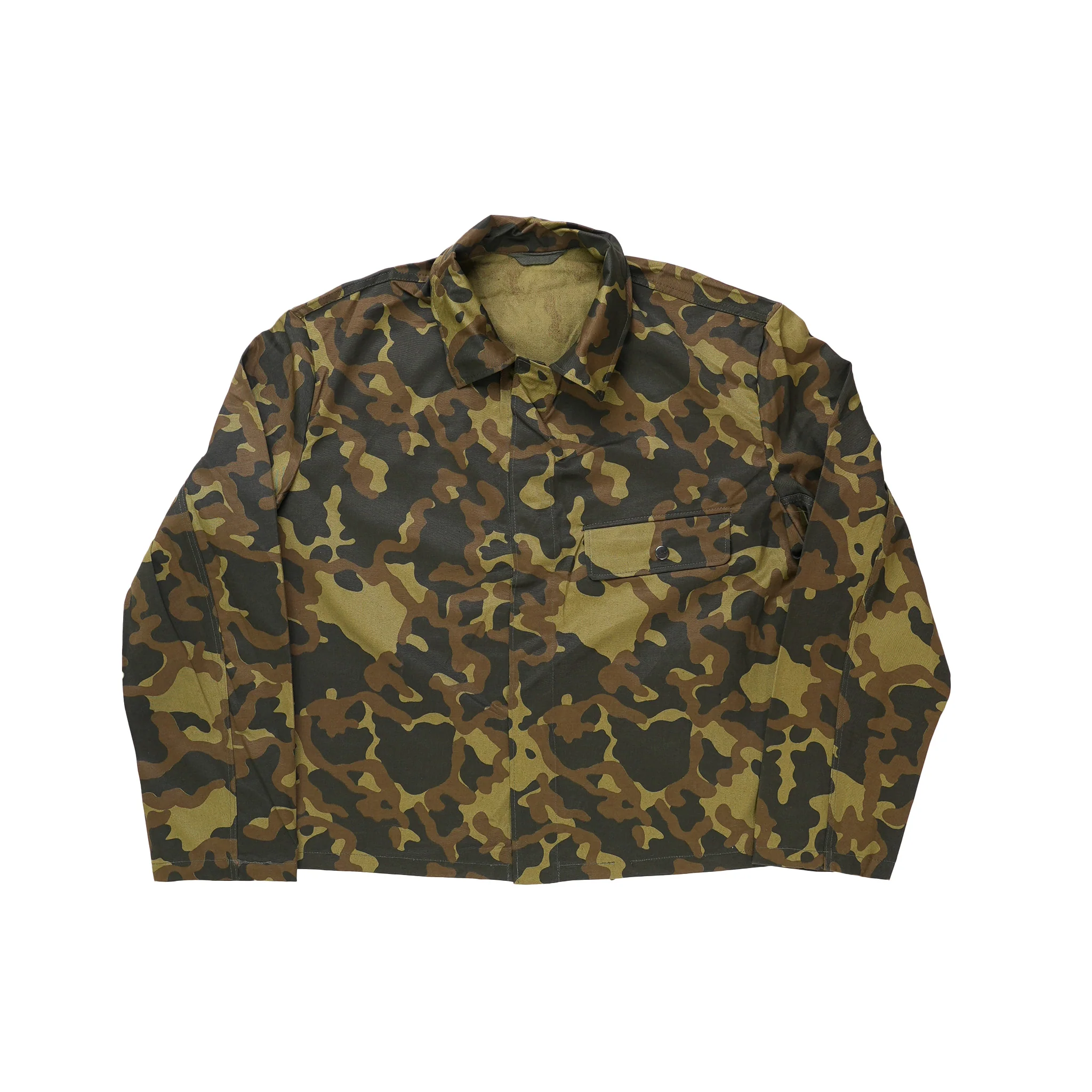
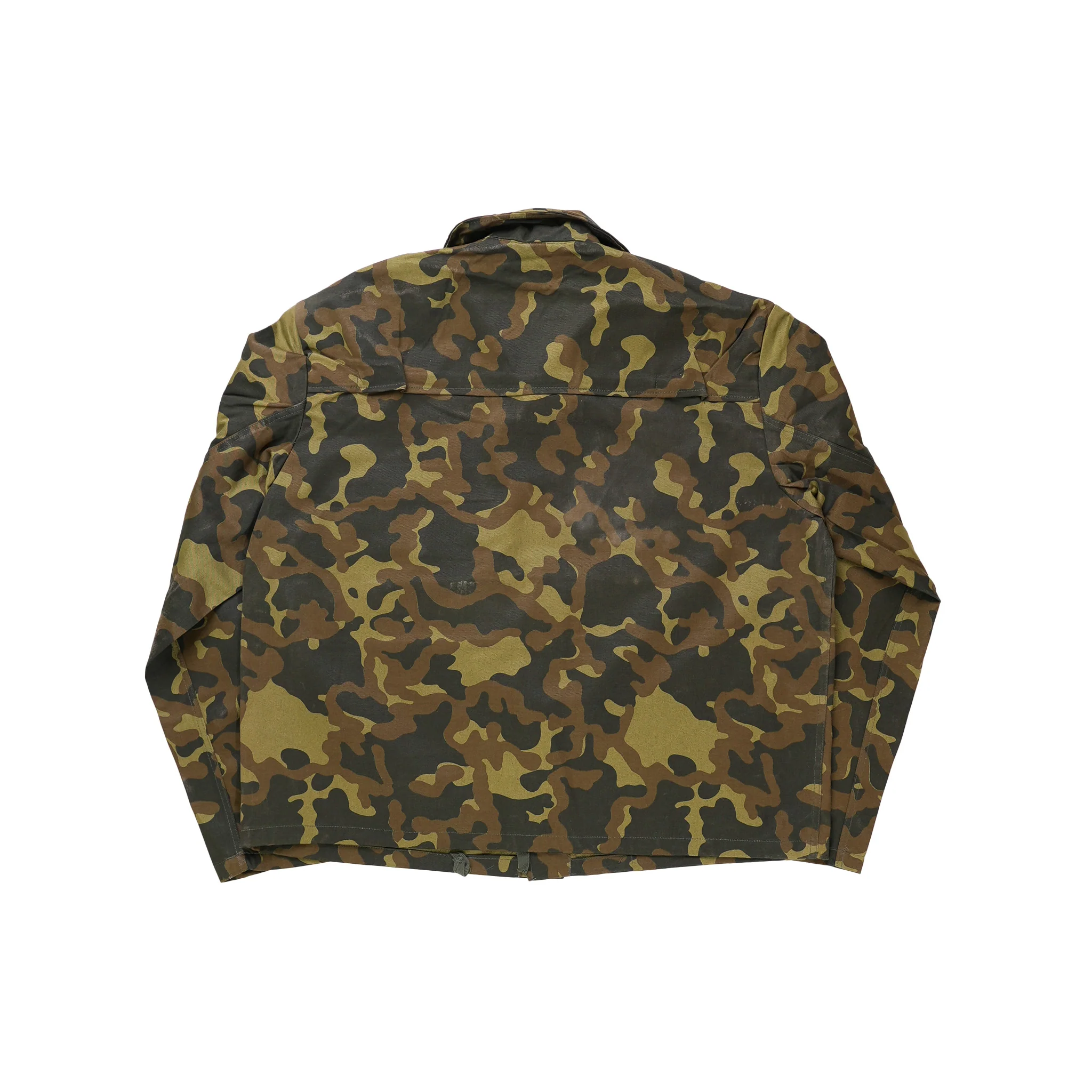
One of the most successful camouflages of the former USSR meets a unique cropped cut. They feature a single chest pocket, and a single side of the hem can be tightened to adjust fit.
These are issued, so there is the possibility of minor rust on the pocket's metal button.
The Camo:
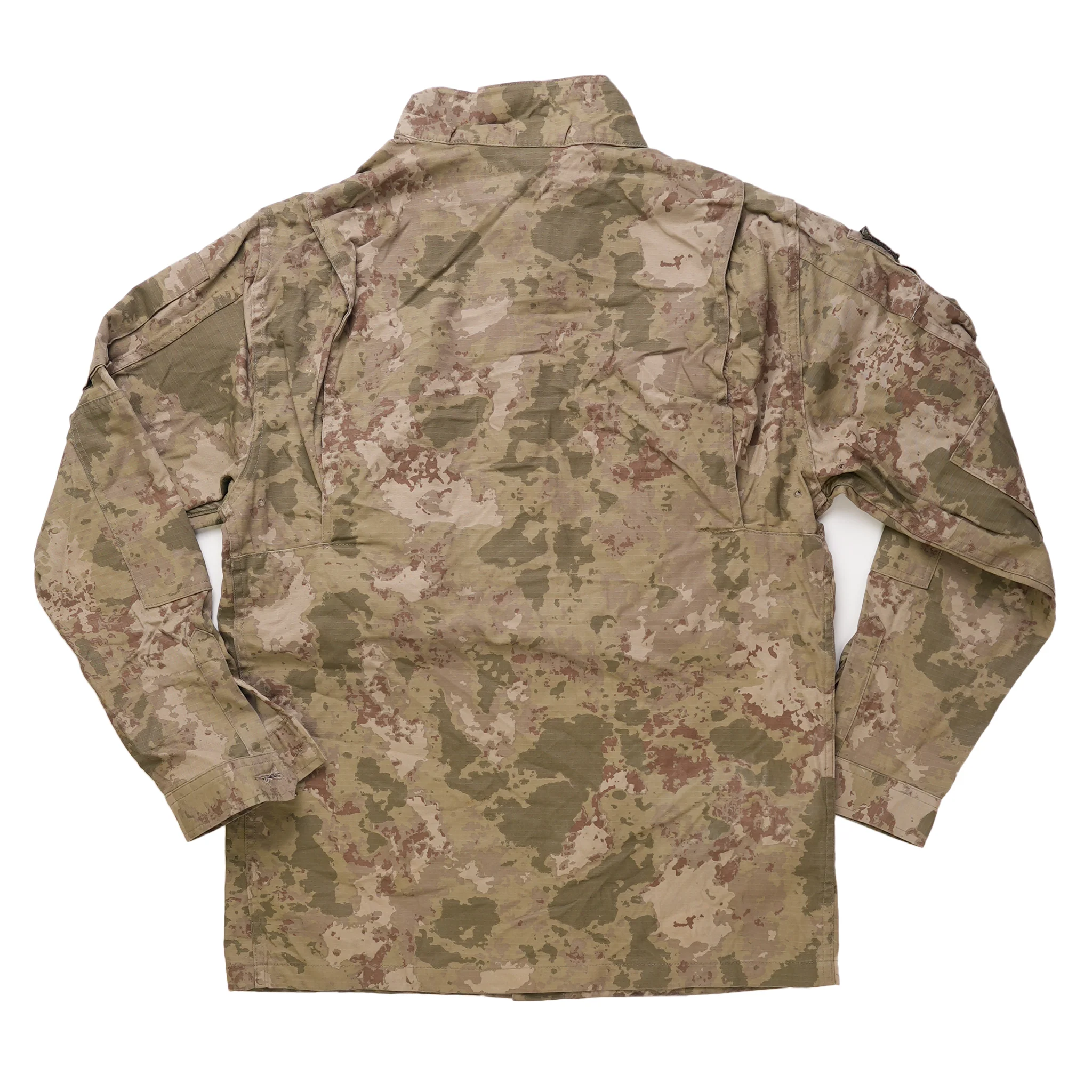
The TTsKO/Dubok camouflage, also known as Bytan or Butane in Ukraine, was created in the early 1980s in the Soviet Union. It features a three-color pattern of dark green, sandy yellow, and rust orange, designed to work well in different environments. After the Soviet Union broke up, this camouflage continued to be used in Ukraine and other former Soviet countries. Coming in a myriad of variants, this pattern has seen a lot of use by the Ukrainians up until the adoption of MM-14; this reflects broader systemic and cultural efforts to "de-Sovietize" their armed forces after Russia's initial invasion in 2014.
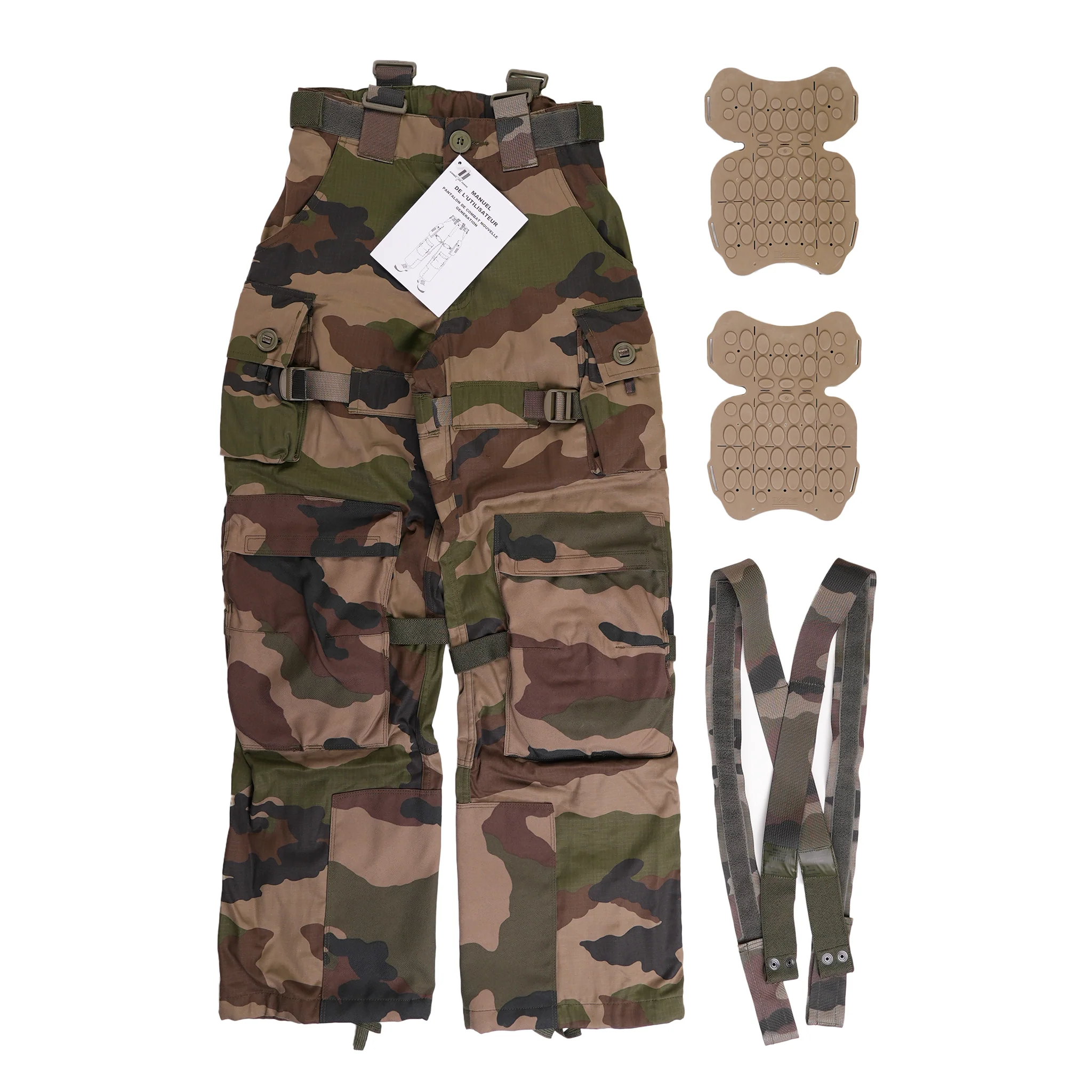
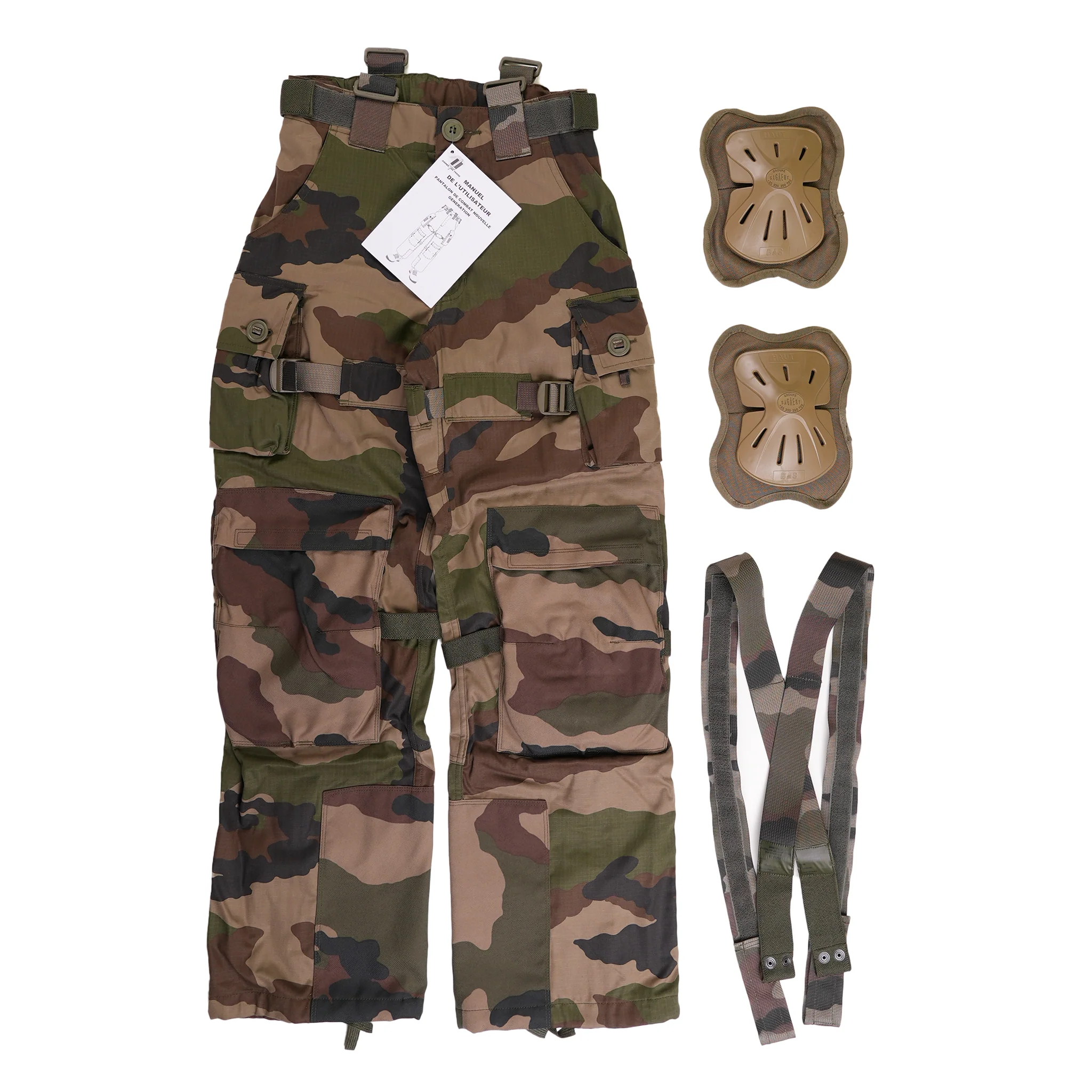
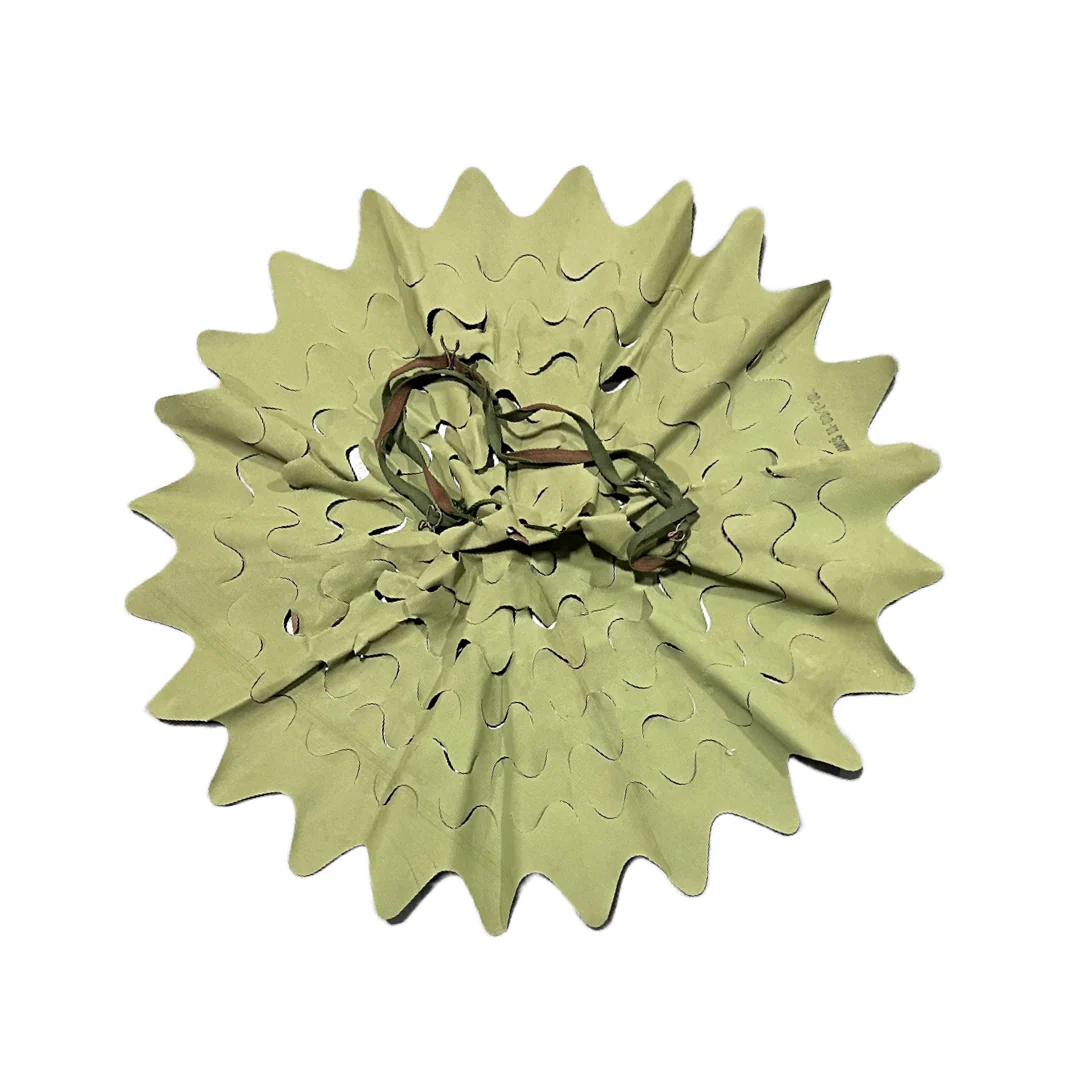
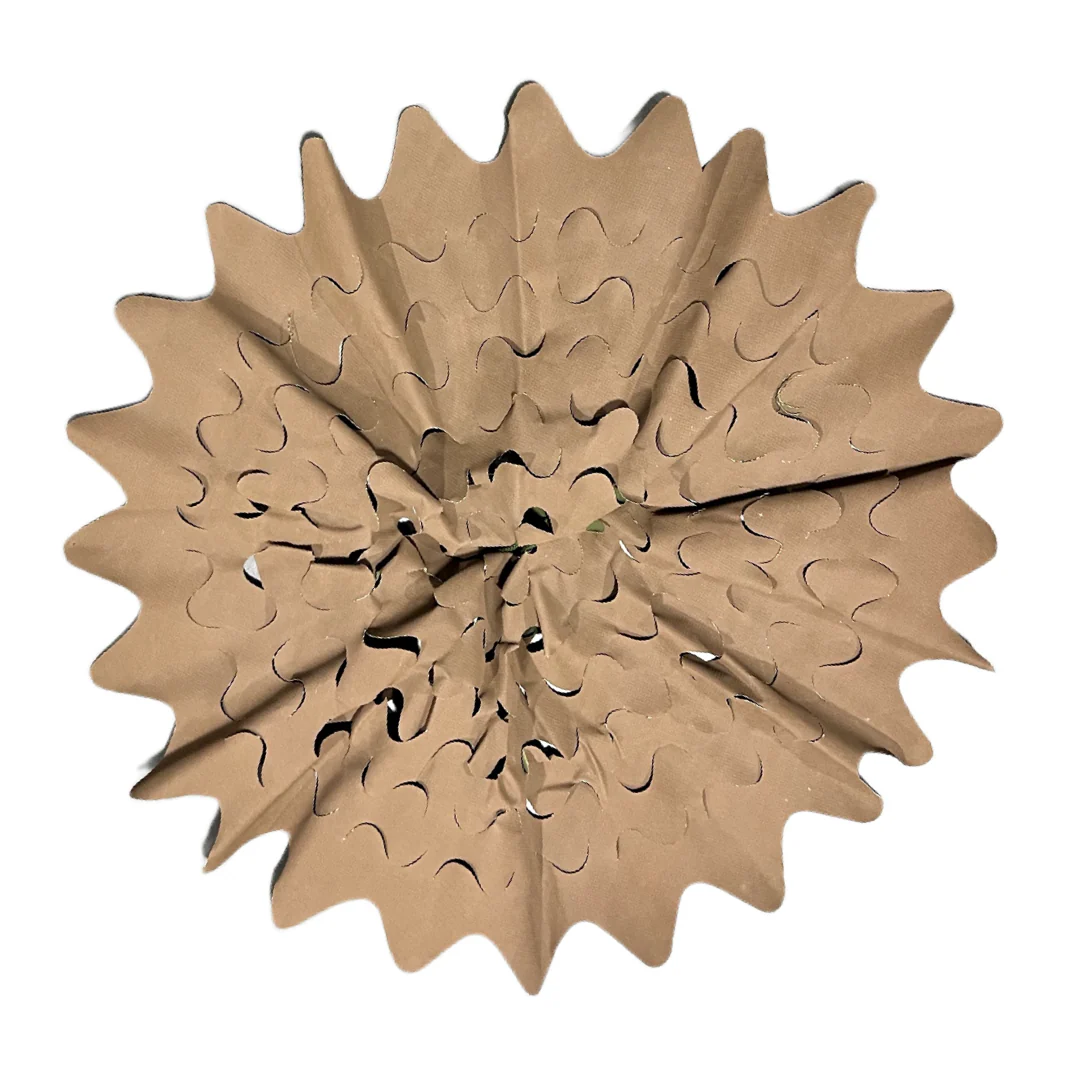
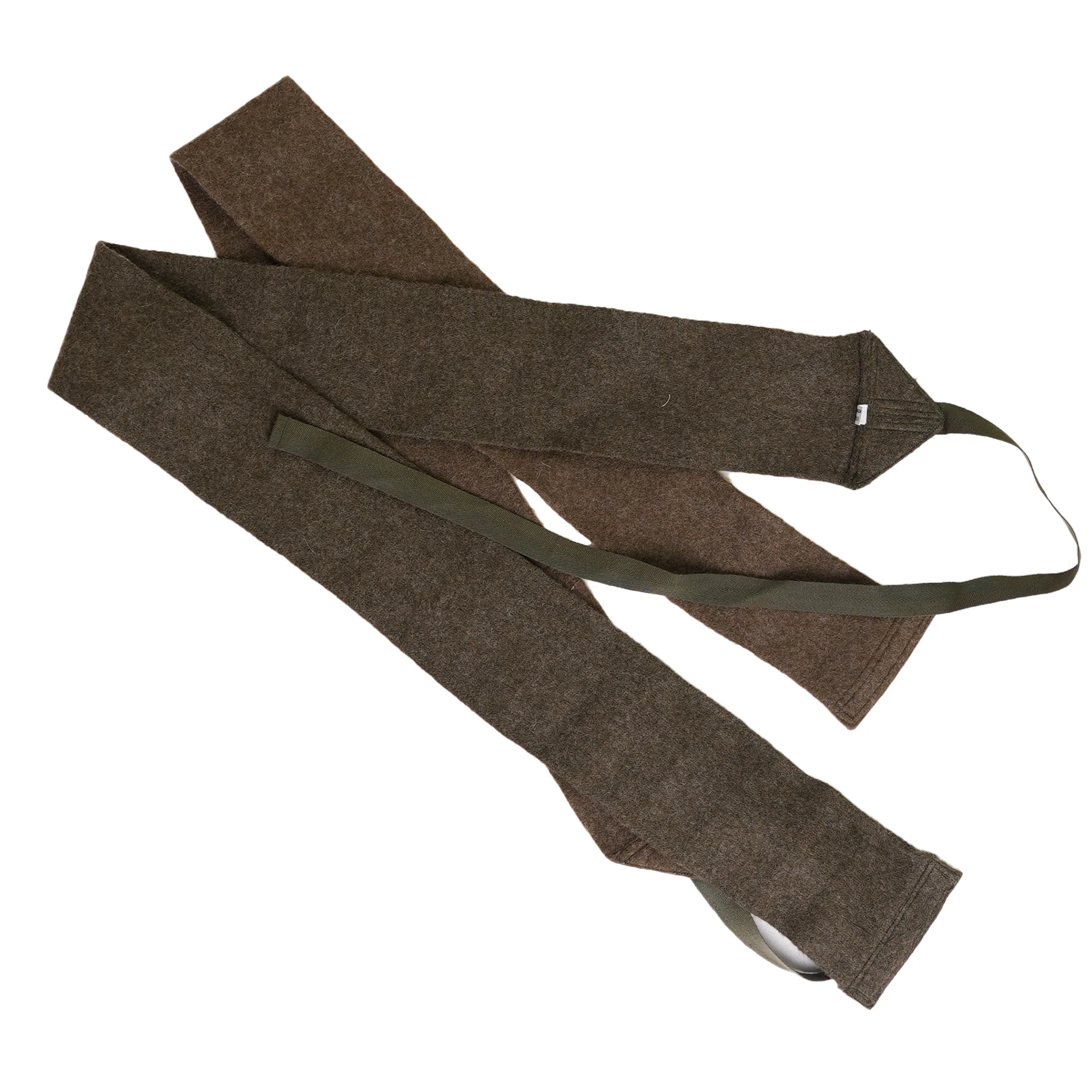
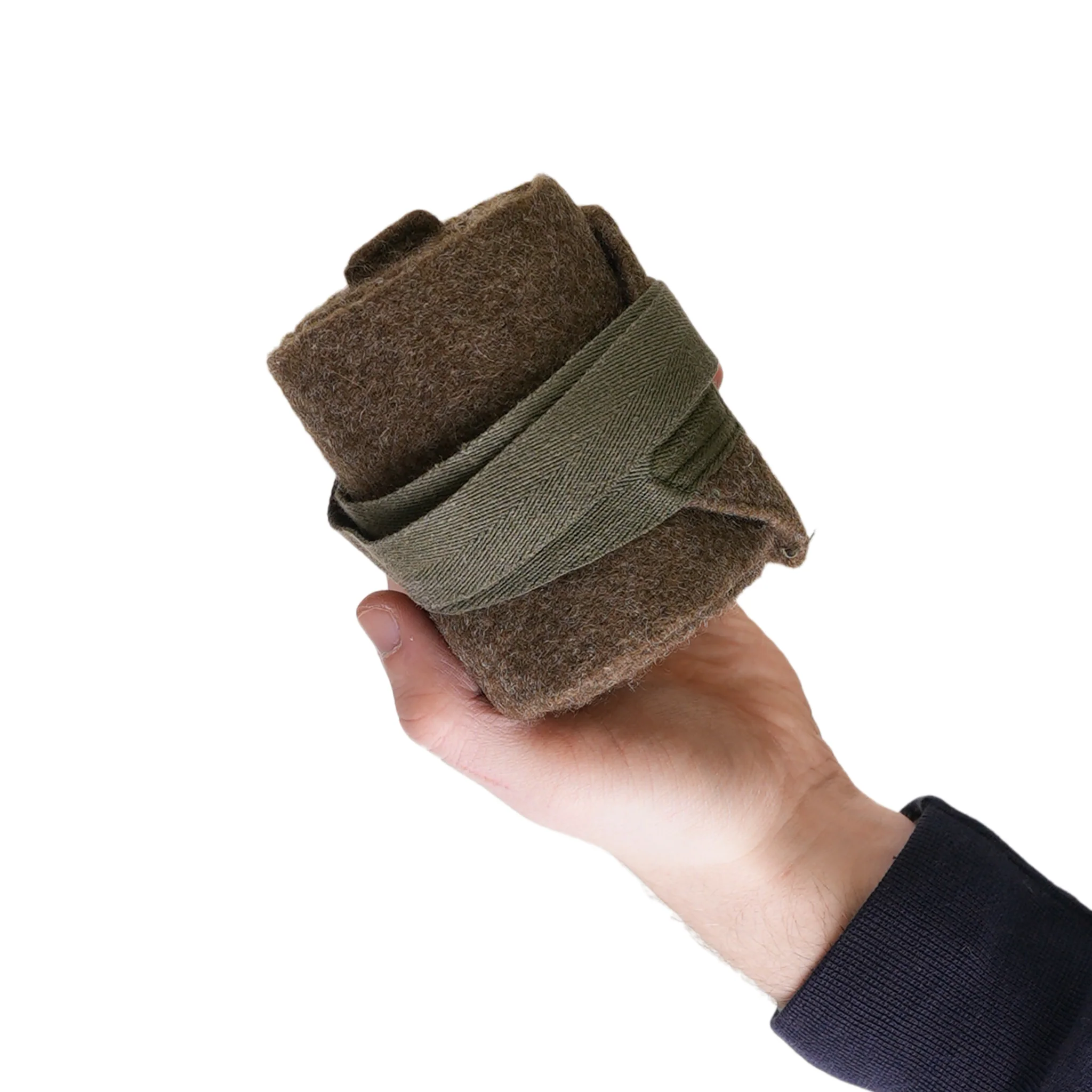
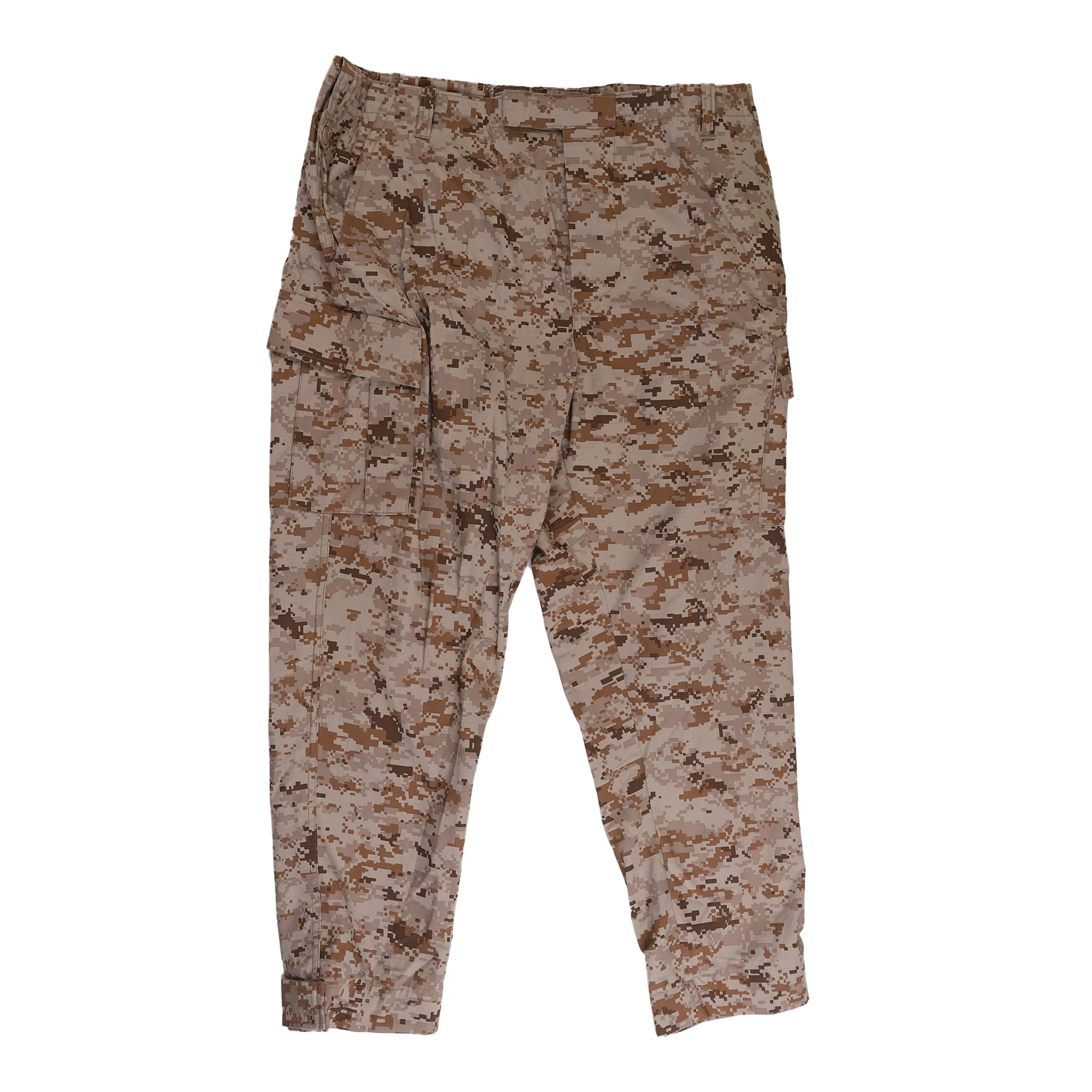
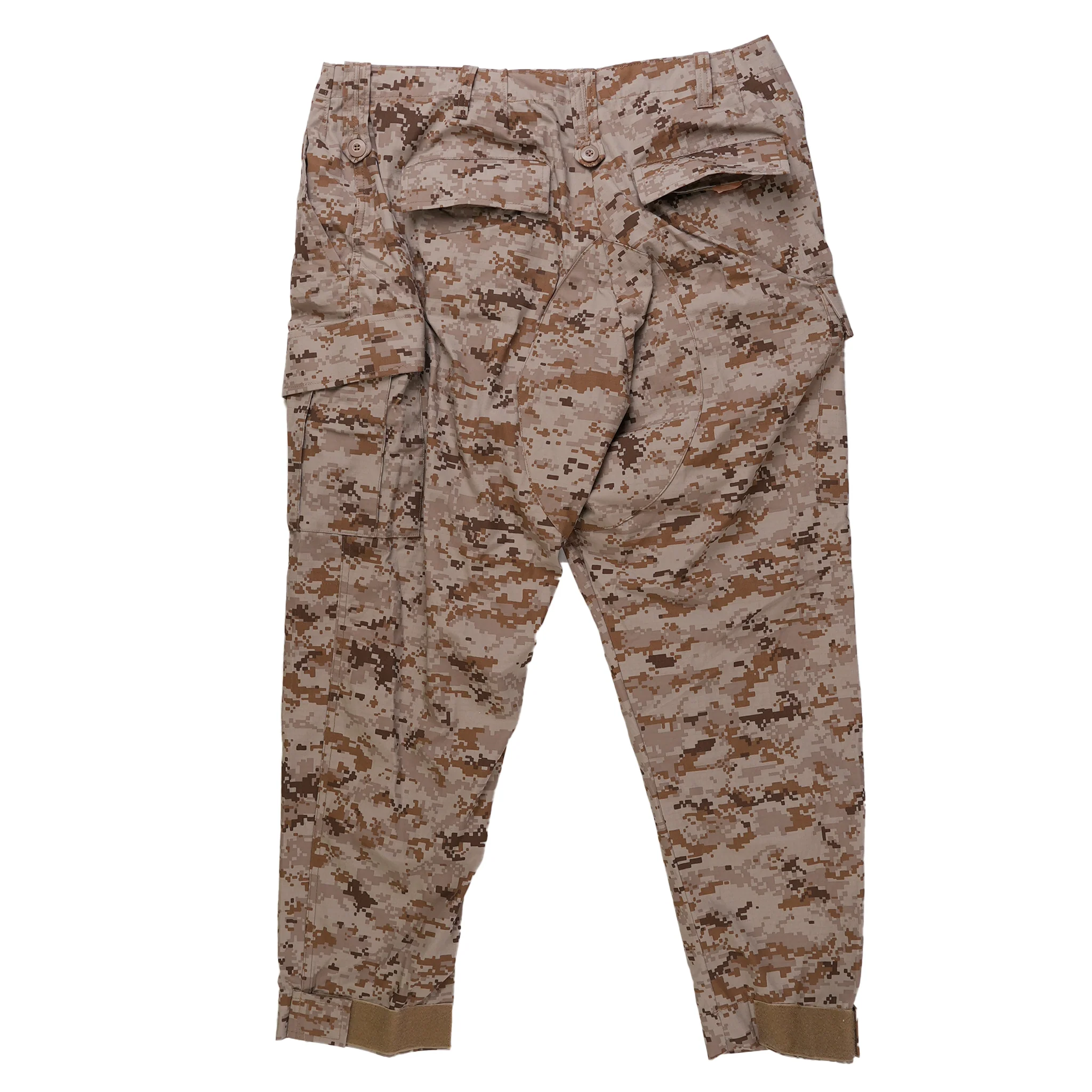
PICTURES PROVIDED ARE EXAMPLES. YOUR PURCHASE MAY DIFFER FROM THE GIVEN PHOTOS.
Details & Craftsmanship
Every detail has been carefully considered to bring you the perfect product.
Description
One of the most successful camouflages of the former USSR meets a unique cropped cut. They feature a single chest pocket, and a single side of the hem can be tightened to adjust fit.
These are issued, so there is the possibility of minor rust on the pocket's metal button.
The Camo:
The TTsKO/Dubok camouflage, also known as Bytan or Butane in Ukraine, was created in the early 1980s in the Soviet Union. It features a three-color pattern of dark green, sandy yellow, and rust orange, designed to work well in different environments. After the Soviet Union broke up, this camouflage continued to be used in Ukraine and other former Soviet countries. Coming in a myriad of variants, this pattern has seen a lot of use by the Ukrainians up until the adoption of MM-14; this reflects broader systemic and cultural efforts to "de-Sovietize" their armed forces after Russia's initial invasion in 2014.
PICTURES PROVIDED ARE EXAMPLES. YOUR PURCHASE MAY DIFFER FROM THE GIVEN PHOTOS.